
Understanding the psychological effects of gambling on decision-making processes
The Psychology of Gambling
Gambling has long been a subject of interest in psychological studies, particularly concerning its impact on decision-making. The thrill associated with potential winnings can create a heightened emotional state, leading individuals to make impulsive choices that may not align with their best interests. This emotional high often triggers a dopamine release, reinforcing the behavior and making the gambler crave that rush again, regardless of the risks involved. For those keen on exploring further, visit https://chicken-road-ca.ca/, where you can find different gaming experiences.

Additionally, cognitive biases, such as the illusion of control, play a significant role in how decisions are made while gambling. Players may believe they can influence the outcome of a game through skill or strategy, despite the inherent randomness. This can lead to overconfidence in their choices and result in higher stakes than they would normally consider, jeopardizing their financial well-being.
The Role of Environment in Decision-Making
The environment in which gambling takes place significantly influences decision-making processes. Casinos and online platforms like the Chicken Road App are designed to engage players through immersive visuals and sounds that enhance the thrill of the experience. Such environments can distort risk perception, making individuals feel invincible and encouraging them to make riskier bets.
The ambiance of a casino can also contribute to social reinforcement. Seeing others win can create a bandwagon effect, prompting players to gamble more than they initially intended. The social dynamics at play can amplify feelings of excitement and urgency, affecting how decisions are made in the heat of the moment.
Cognitive Dissonance and Justification
Gamblers often experience cognitive dissonance, especially when their decisions lead to losses. To reduce this discomfort, they may justify their actions by emphasizing past wins or downplaying the risks associated with their choices. This rationalization can lead to a vicious cycle of continuous gambling, as players cling to the hope of recovering their losses through further bets. These elements are particularly evident in games like the Chicken Road Slot, where the chance of winning can easily mask potential pitfalls.
This mindset can skew one’s perception of reality, leading gamblers to believe that their luck will turn around. This hopeful thinking fosters a disconnect from the actual probabilities involved, often resulting in poor decision-making and escalating financial consequences.
The Impact of Addiction on Decision-Making
Gambling addiction poses severe ramifications for decision-making. Individuals struggling with this addiction often prioritize gambling over other essential aspects of their lives, including personal relationships and responsibilities. The compulsion to gamble can cloud judgment, making it challenging to weigh risks versus rewards rationally.
This addiction often leads to erratic decision-making patterns, as individuals may engage in chasing losses or betting beyond their means. The psychological grip of gambling can create a feedback loop where poor decisions reinforce the addiction, trapping players in a cycle that is difficult to escape.
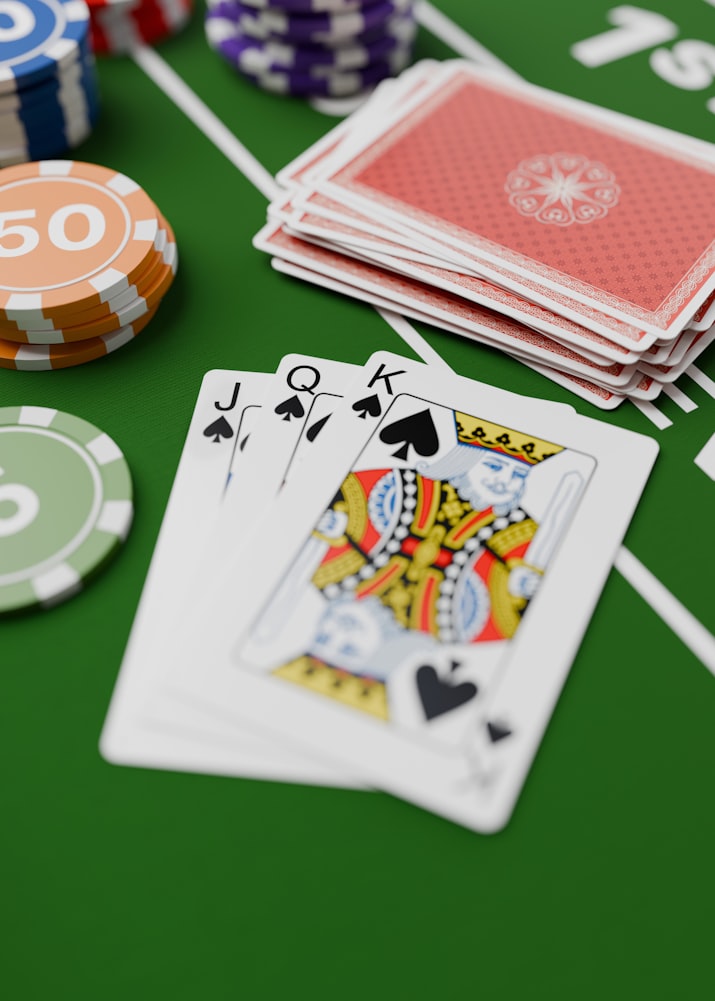
Exploring Interactive Gambling Platforms
Online platforms like Chicken Road Canada exemplify the innovative approaches to gambling experiences. With features that allow for a balance of risk and reward, they cater to a diverse range of players, appealing to both casual gamers and those seeking serious challenges. The ability to practice in demo modes without financial commitment allows individuals to better understand their decision-making processes in a low-stakes environment.
The combination of excitement and strategic gameplay in these platforms fosters a unique gaming experience. By emphasizing responsible gambling and providing tools for self-assessment, they promote informed decision-making, helping players navigate the complexities of gambling in a more balanced manner.